ADA signs are essential for ensuring accessibility, safety, and equal access for everyone who enters a building. Mandated by the Americans with Disabilities Act (ADA), ADA signs include tactile lettering, braille, and strict design requirements that help individuals with visual impairments navigate public and private facilities confidently and independently. From offices, hospitals, and schools to government buildings, retail stores, apartments, and restaurants, ADA signs play a crucial role in creating spaces that are fair, respectful, and compliant with the law. But because ADA signage requires precision and regulatory knowledge, its effectiveness relies entirely on the expertise, accuracy, and craftsmanship of a professional sign maker.
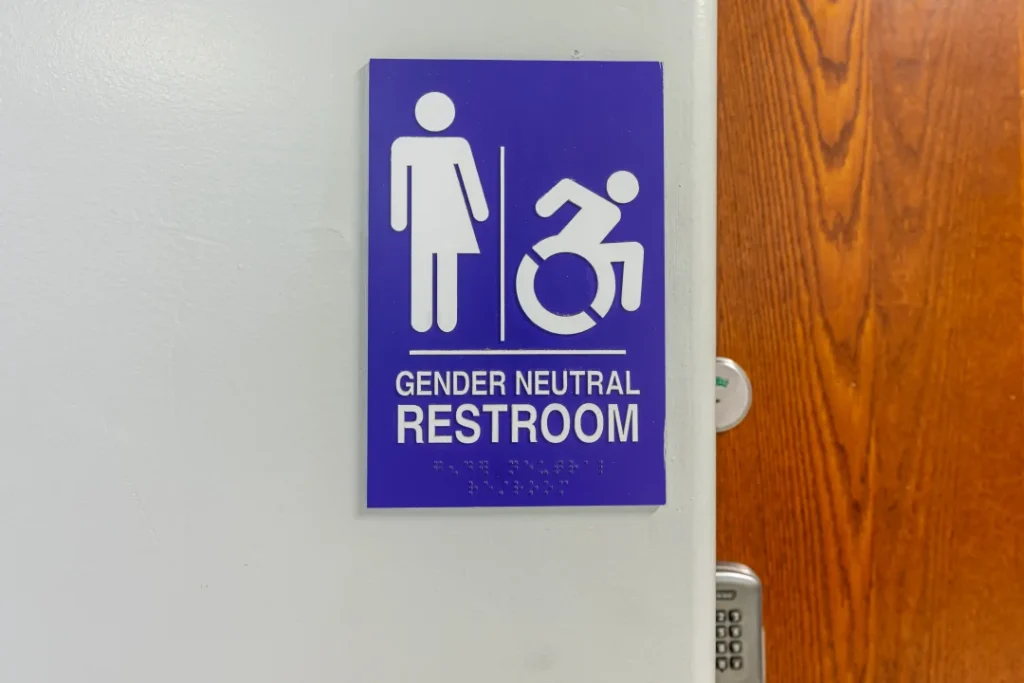
ADA signs are used to identify permanent rooms and functional spaces—such as restrooms, conference rooms, exits, elevators, stairwells, break rooms, mechanical rooms, and more. They must include tactile raised characters, Grade 2 braille, proper contrast ratios, non-glare finishes, and exact mounting heights. These signs are not optional; they are required by law in most public spaces, ensuring that people with visual disabilities have equal access to essential information.
The power of ADA signage lies in its ability to combine function, safety, and inclusivity. A well-made ADA sign ensures that everyone—regardless of vision or mobility—can move through a building with dignity. Beyond legal compliance, ADA signs communicate that a business values accessibility, professionalism, and thoughtful design.
But creating ADA-compliant signs is not simple. It requires deep knowledge of regulations and meticulous attention to detail, which is why the sign maker’s expertise is critical.
Providence Excellent sign maker begins by assessing which rooms and areas require ADA-compliant signage under current regulations. They understand the detailed rules governing letter height, tactile depth, braille spacing, line spacing, contrast levels, viewing distance, and mounting locations. Using this knowledge, they help businesses avoid costly compliance issues or penalties.
Design is a major part of ADA signage. While ADA signs must follow strict guidelines, they can still be customized to match a company’s brand. A skilled sign maker selects compliant fonts, high-contrast color combinations, and non-glare materials. They ensure the sign adheres to regulations while maintaining a cohesive aesthetic within the space.
Material selection is equally important. ADA signs are typically fabricated using acrylic, photopolymer, aluminum, PVC, or layered materials designed for durability. A professional sign maker understands which materials hold tactile letters securely and remain compliant over time. They also ensure braille dots are correctly domed, aligned, and long-lasting—not flat or sharp, which would violate ADA standards.
Fabrication requires extreme precision. Tactile letters must meet exact height and thickness measurements. Braille must be correctly spaced and positioned below the text. A professional uses advanced machinery and rigorous quality control to ensure every detail meets legal standards.
Installation is another critical stage. ADA signs must be mounted at precise heights and locations next to the latch side of doors or in designated areas. Improper installation—even by an inch—can lead to noncompliance. A skilled installer ensures accuracy, safety, and consistency throughout the building.
Beyond the technical and legal aspects, a professional sign maker understands the human importance of ADA signage. These signs help individuals with disabilities navigate the world more easily. They create environments that feel safe, respectful, and accessible to all.
A professional also provides guidance on maintaining ADA signs so they remain clean, readable, and compliant for years.
In short, ADA signs are essential for accessibility, legal compliance, and inclusivity. But their effectiveness depends entirely on the technical knowledge, precision, and craftsmanship of the sign maker. A professionally crafted ADA sign doesn’t just meet regulations—it builds trust and ensures everyone feels welcome.
Because when accessibility matters, your ADA signs deserve expert hands. Look no further! WE CAN MAKE IT HAPPEN https://providencesignsandgraphics.com/reviews/